
Scoliosis
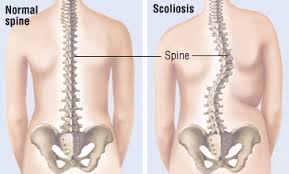
Scoliosis is a congenital or acquired spinal condition that is marked by sideways shifting of the spinal curvature.
What is Scoliosis?
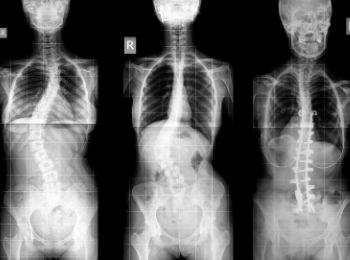
Scoliosis is a sideways curve in the spine commonly seen in children and adolescents. The spine shape of typical scoliosis may look more like an “S” than a straight line. Approximately 2% of the population will have a scoliotic curvature in their spine, and about 10% of these are severe.
Scoliosis terminology is according to where the apex of the curvature of the spine occurs. These curves commonly happen in the thoracic (mid-back) and thoracolumbar (junction between the thoracic and lumbar) areas of the spine. Scoliosis does not frequently occur in the neck.
Scoliosis
Signs and Symptoms of Scoliosis
Mild cases of scoliosis are usually asymptomatic and are diagnosed incidentally on routine physical examinations. Moderate to severe scoliosis may present as:
Poorly managed cases of scoliosis can potentially lead to varying degrees of complications.
Causes of Scoliosis
More cases of scoliosis that are reported in clinical practice are idiopathic (i.e. exact cause cannot be ascertained), but it has been observed that scoliosis tends to run in families. Other important causes of scoliosis are:
- Cerebral palsy
- Birth defects
- Muscular dystrophy
- History of acute or chronic trauma or injury to spinal region
Certain risk factors can increase your risk of developing scoliosis; these are:
- Growth spurt at the time of puberty (most cases of scoliosis are reported in adolescents between the age of 9 and 15 years)
- Familial history of scoliosis
Statistics and Epidemiology related to Scoliosis
According to latest estimates, the prevalence of mild to moderate scoliosis (Cobb angle 10 degrees or more) in Australian population is 2-3% and severe scoliosis (Cobb angle more than 40 degrees is 0.1%).
Reference:
Relevant Statistics or Epidemiology Title if applicable...
Enter your text here...
How MHC Treatment Options Can Help Scoliosis
The treatment protocols and management strategies are devised after preliminary diagnosis and evaluation of associated risk factors. We provide:
- Nutritional counseling
- Gait modification
- Spine stabilizing and strengthening exercises
- Lifestyle modification
- Biofeedback training
- Electric stimulation of muscles
- Chiropractic manipulation
It is imperative to see a registered professional to prevent complications like chronic back pain, breathing difficulty, cardiovascular deficits due to deformities of chest cavity and cosmetic disfigurement.
Shoulder Recovery Program
Lorem ipsum dolor sit amet, consectetur adipisicing elit, sed do eiusmod tempor incididunt ut labore et dolore magna aliqua.
Schedule an Appointment Today
If you want to be free from Shoulder Pain don’t hesitate to call us to book a “Your Motion Matters” Initial Case Review today, for a pain free tomorrow.
